Pallet Truck vs. Forklift: Right Choice for Your Business
Review the core differences between a pallet truck and a forklift for warehouses and factories, and choose the most suitable handling equipment for your budget.
For businesses operating across warehousing, logistics, and manufacturing sectors, a smooth and secure material flow stands out as a primary driver of profitability. When loads need to be transferred from Point A to Point B or stacked vertically, warehouse and plant managers frequently face a fundamental question: Should we invest in a pallet truck vs forklift setup?
Although both machines are engineered to transport palletized goods, they address vastly different industrial needs regarding mechanical structures, operational limits, and budget dynamics. To establish the most efficient strategy for choosing the right equipment for your warehouse, let us examine the technical specifications of both mechanisms closely.
What Are the Core Differences Between a Pallet Truck and a Forklift?
Before finalizing an investment decision, the operational capabilities and limits defining the difference between a pallet truck and a forklift must be thoroughly analyzed.
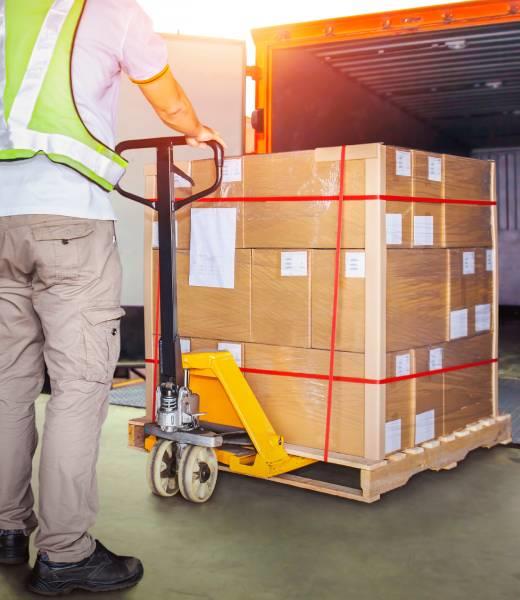
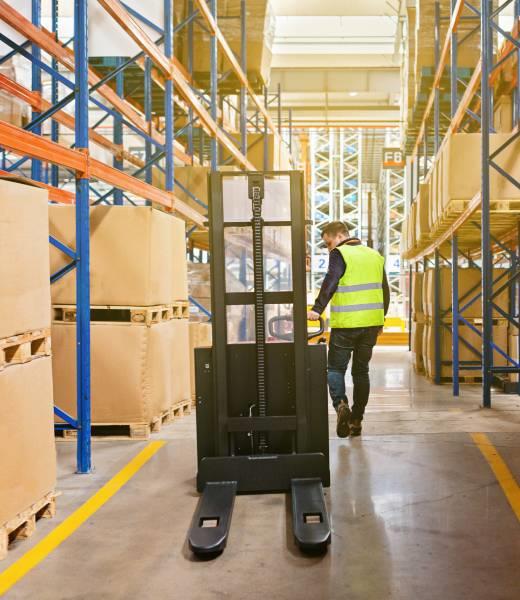
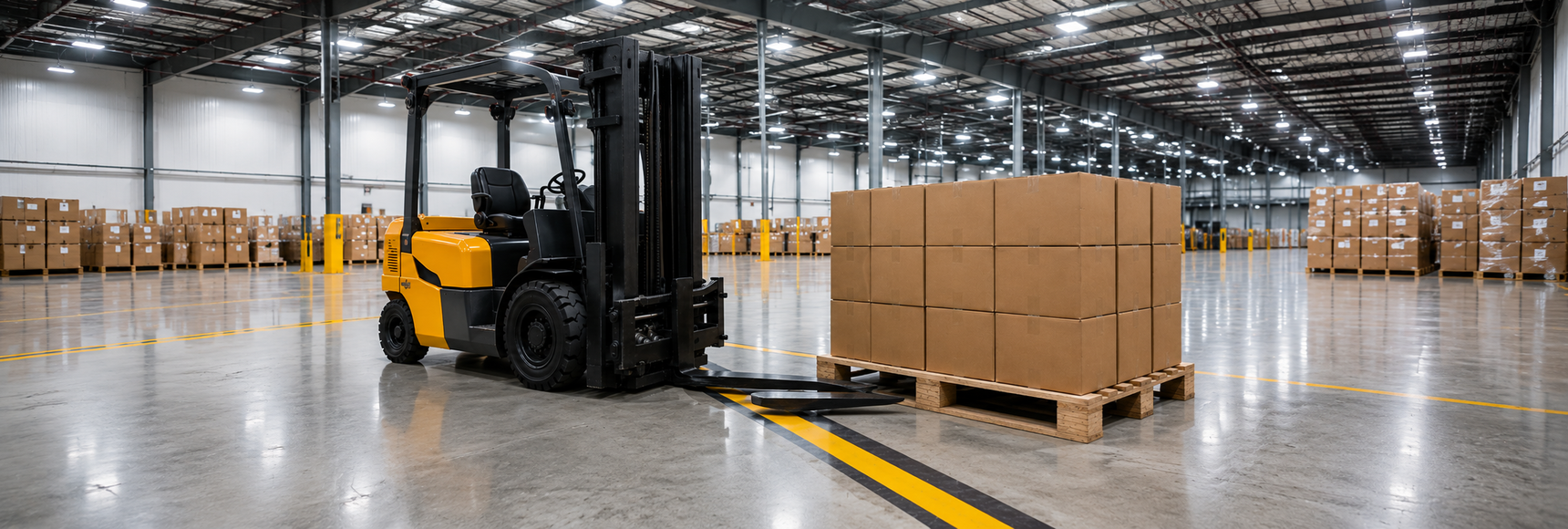
Vertical Stacking Capabilities: A standard pallet truck is designed to raise a load just a few centimeters off the ground to facilitate horizontal transport. Conversely, forklifts feature heavy-duty mast assemblies that lift and stack multi-ton pallets several meters high into storage racks.
Space Requirements and Maneuverability: Pallet trucks feature compact chassis layouts, enabling them to spin smoothly on their own axis even within tightly confined aisles. Forklifts demand a much larger turning radius (AST clearance) and require spacious aisle architectures to operate safely.
Power and Energy Sources: Pallet trucks operate via manual hydraulic pumping or compact battery setups. Forklifts rely on large industrial traction batteries, diesel engines, or LPG systems to deliver continuous heavy-duty cycles.
Comparison Table: Operational Needs Assessment
|
Criterion / Feature |
Pallet Truck Systems |
Industrial Forklifts |
|
Lifting Height |
Horizontal Transfer Only (Low Ground Clearance) |
Very High (Vertical Stacking from 3 to 6+ Meters) |
|
Aisle Width Requirement |
Ultra-Narrow Areas (Minimal Clearance Needed) |
Wide Aisles and Dedicated Turning Zones |
|
Average Load Capacity |
Between 1.5 and 3 Tons |
Heavy-Duty Handling from 1.5 to 10+ Tons |
|
Operator Certification |
Generally Not Required (Training Vital for Electric) |
Mandatory (Requires Valid Forklift Operator License) |
|
Investment & Maintenance |
Highly Economical with Low Routine Overhead Costs |
High Initial Purchase Budget & Routine Service Needs |
How to Choose the Right Equipment for Your Warehouse
Your facility's structural blueprint, operational flow, and material turnover rate should serve as your primary guide when deciding on a machine layout:
When to Prefer a Pallet Truck?
If your workflow centers exclusively on ground-level staging, your inventory does not require high rack placement, and your storage layout lacks the width for a forklift to pivot, a pallet truck is your most effective solution. They also serve as an excellent, cost-effective small warehouse forklift alternative. Factors such as floor conditions, wheel compositions, and tonnage balance can heavily influence your daily material circulation; to learn more about optimizing these variables, explore our comprehensive guide on factors affecting pallet truck performance.
Depending on your shift intensity, you can opt for budget-friendly, manual hydraulic architectures by browsing our manual pallet truck models. Alternatively, to accelerate transfer velocities and eliminate operator fatigue during high-volume operations, you can integrate motor-driven workflows using our advanced battery-powered pallet truck options.
When to Prefer a Forklift?
If your facility features multi-tiered vertical racking systems, your daily routine involves unloading heavy pallets directly from shipping containers into high bays, or you need to transfer heavy components across uneven outdoor industrial yards, you should focus your investment on industrial forklifts or heavy-duty walkie stackers.
Maximizing Warehouse Efficiency with Smart Investments
Ultimately, pallet trucks and forklifts are not mutually exclusive tools; instead, they function as strategic partners that optimize your storage capacity when deployed together. In large-scale logistics hubs, forklifts manage high vertical stacking corridors, while electric and manual pallet trucks handle rapid horizontal positioning within tight auxiliary lines to minimize cycle delays. Balancing your equipment fleet effectively will drive your throughput upward while containing your long-term capital expenses.
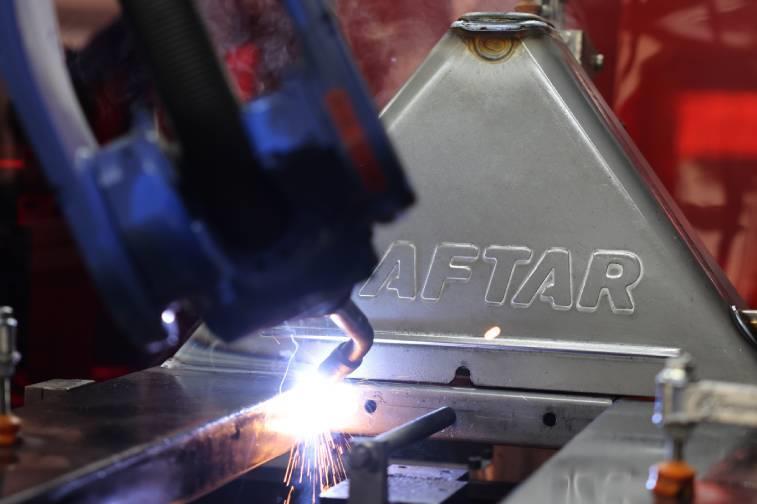
To evaluate certified, long-lasting material handling solutions engineered to comply with modern OHS criteria for your specific tonnage demands, explore the Paftar industrial product family to secure your personalized quotation.