Crane Maintenance: What to Know About Maintenance Frequency
Discover the periodic maintenance steps and safety-oriented equipment checklists to extend the service life of electric cranes and hoists.
From heavy industrial facilities to small-scale workshops, lifting and handling equipment sits at the very center of daily operations. Electric cranes and hoists, which move loads weighing tons, are complex mechanisms operating under high stress. The only way to ensure these precise machines work safely, efficiently, and without interruption is through a structured and conscious crane maintenance strategy.
A crane whose maintenance is neglected does not just lead to operational stoppages (unplanned downtime); it also brings severe occupational safety risks. In this guide, you will find the periodic inspection steps and critical OHS checklists needed to extend the service life of your lifting equipment.
How to Determine Crane Periodic Inspection Frequency?
The inspection and maintenance frequency of lifting equipment should be determined not only by legal regulations but also by the equipment's "duty cycle" and the environmental conditions of the work site. According to general industrial standards, inspection periods are divided into three main categories:
Daily Checks (Pre-Shift): Visual inspections performed by the operator at the beginning of each shift. This includes testing brake accuracy, checking for visible wear on ropes or chains, and verifying that the emergency stop button functions perfectly.
Monthly Periodic Maintenance: Detailed examination of mechanical and electrical components by technical personnel. Lubrication of frequently running gears and measurement of wear tolerances are performed during this stage.
Annual Statutory Inspections: Dynamic and static load tests mandated by occupational health and safety regulations, which must be performed at least once a year by accredited inspection bodies or authorized engineers.
Critical Control Checklist for Lifting Equipment Maintenance
During a planned hoist maintenance or crane overhaul, the most critical control points that the technical team must never overlook include:
1. Chain and Wire Rope Inspection
Link elongation and corrosion levels on the chain must be precisely measured using a caliper.
Wire ropes must be inspected for capillary wire breaks, crushing, and bird-caging formations; ropes exceeding safe wear limit values must be replaced immediately.
2. Hook and Safety Latch
The load hook must be checked for throat opening (deformation) or cracks resulting from excessive stress.
The spring function of the hook safety latch must be tested to verify its functionality.
3. Braking Systems
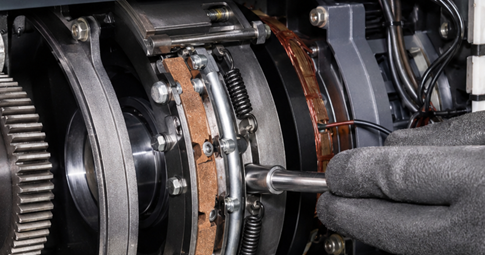
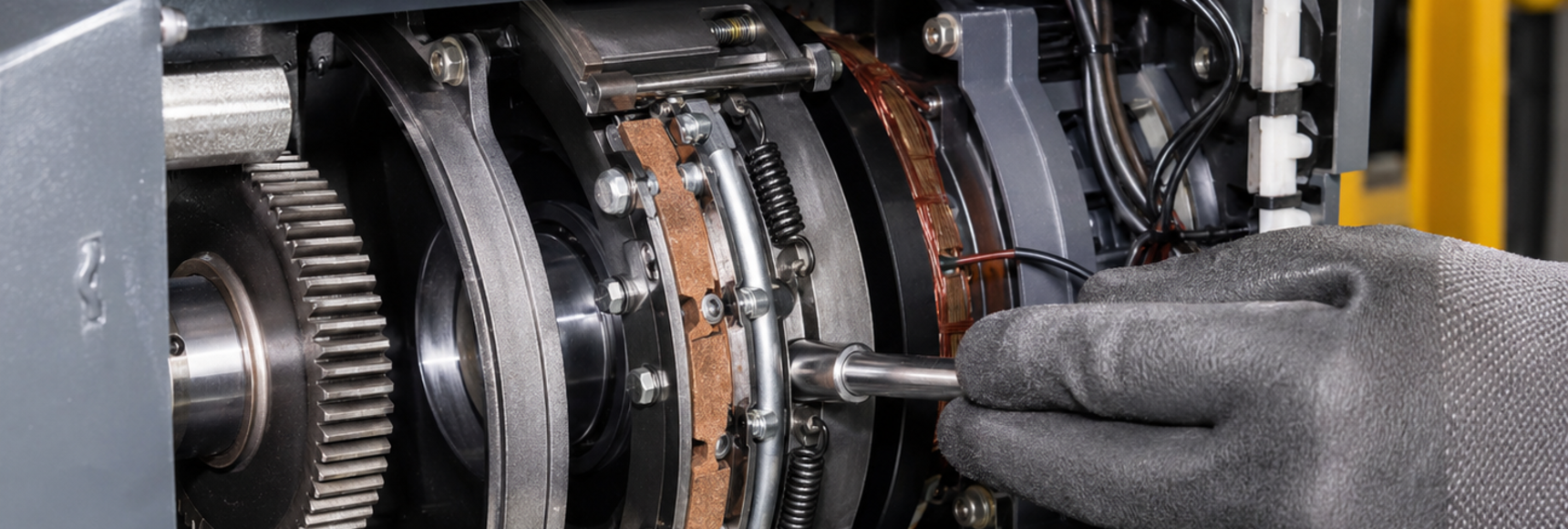
Brake pad wear on mechanical and magnetic brakes, which ensure the load remains safely suspended in the air, must be measured. Slipping brakes must be decommissioned immediately.
4. Limit Switches
The sensitivity of the upper and lower limit switches, which prevent the hook from crashing into the drum or lowering too far and causing reverse rope winding, must be tested during every maintenance session.
Comparison Table: Common Crane Maintenance Mistakes
The Advantage of Right Equipment and After-Sales Support
The most vital component of an efficient lifting equipment maintenance process is quick access to original spare parts and a competent service network. Opting for high-engineering domestic lifting solutions over imported systems with difficult parts procurement accelerates your maintenance turnaround times.
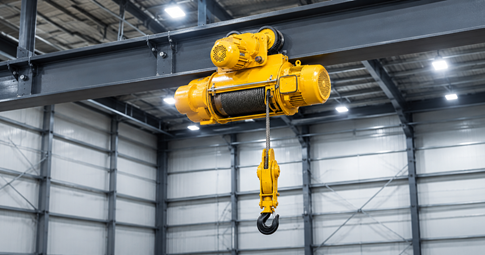
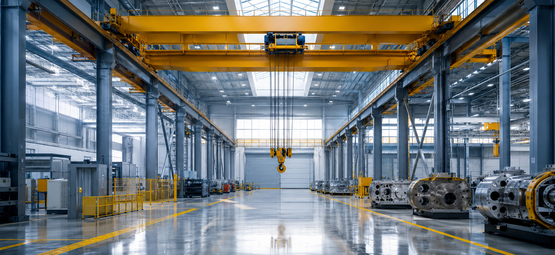
For heavy-duty crane systems that will operate safely for many years with minimum maintenance overheads in your industrial facilities, you can check our crane solutions page; for your more compact and flexible mechanical lifting needs, you can explore our electric chain hoist products.
Remember, investing in crane periodic control processes is not an expense—it is the strongest insurance policy that guarantees your facility's workplace safety and production continuity.