What is a Manlift? Types, Benefits, and Usage Areas
What does a manlift do and what are its types? Explore aerial work platform models and their industrial usage areas in our comprehensive guide.
In industrial facilities, construction sites, warehouse management, and facade operations, one of the most critical requirements is working safely at heights. In scenarios where erecting scaffolding or using ladders causes significant time loss and introduces severe security risks, manlift systems step in as the ideal solution.
But what exactly is a manlift, which has become an indispensable asset in modern operations, what types are available, and what advantages can it provide for your business? In this guide, we have gathered all the details you need to make your high-altitude operations highly efficient and safe.
What Does a Manlift Do?
A manlift is a hydraulic or electric aerial work platform designed to safely elevate personnel along with their necessary tools and working equipment to specific heights. Fully compliant with occupational health and safety (OHS) standards, these machines minimize the risk of falls thanks to their smooth, stable lifting features and secure platform guardrails. They are widely preferred across sectors such as construction, logistics, plant maintenance, assembly, and restoration.
What Are the Types of Manlifts?
Various manlift models are engineered based on the physical conditions of the work area, as well as the interior or exterior structural constraints of the buildings:
1. Scissor Lift
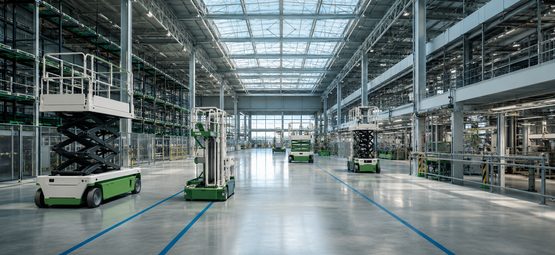
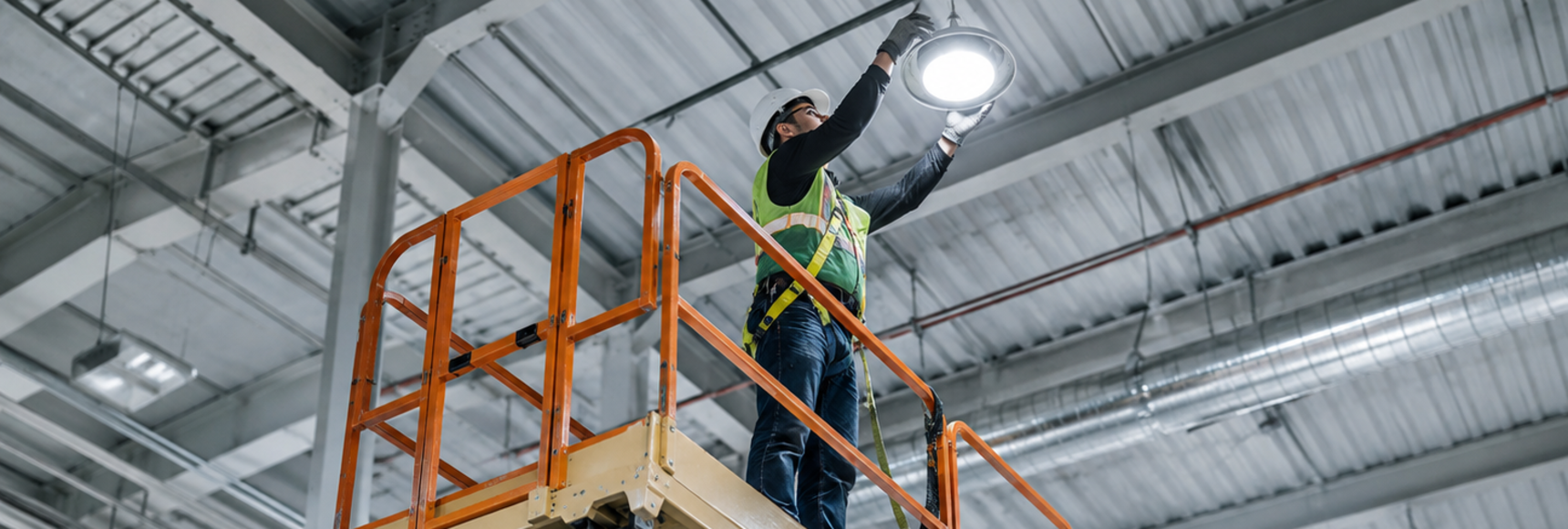
These are models that move strictly in a vertical upward and downward direction. Thanks to their wide platform design, they allow multiple personnel to work simultaneously with ease.
Advantage: They offer high load capacities, making it easy to carry materials and heavy tools steadily.
Usage: Ideal for indoor rack installations, maintenance of ceiling lighting systems, and exterior facade work on flat surfaces. To examine the most suitable solutions for your facility, you can check out our manlift product page.
2. Articulated Boom Lift
Featuring foldable and rotating jointed arms, these models allow operators to outreach and overcome obstacles to reach tricky, hard-to-access spots.
Advantage: They possess high horizontal and vertical outreach flexibility, allowing access to tight or blocked spaces where the machine's chassis cannot get close.
Usage: Perfect for complex construction sites, high-density machinery production lines, and over-the-ceiling ventilation installations.
3. Vertical Mast Lift
These are lightweight models equipped with exceptionally compact chassis, capable of operating smoothly in narrow aisles and on delicate indoor floors without leaving marks.
Advantage: They feature extremely small turning radiuses, allowing them to pass through standard doorways and passenger elevators effortlessly.
Usage: Best suited for light maintenance tasks in shopping malls, hotels, narrow warehouse environments, and commercial offices.
Comparison Table: Choosing the Right Aerial Platform
Usage Areas and Selection Criteria for Manlifts
Determining the technical parameters of your project before investing in or renting an aerial work platform substantially reduces your operational expenses. Pay close attention to these criteria during equipment selection:
Reach Height: The maximum working height of your project must align securely within the safe lifting limits of the machine's mast.
Floor Structure and Power Source: For indoor operations, battery-powered or electric models must be selected to protect floor quality and prevent hazardous exhaust emissions. Conversely, 4x4 diesel-powered models should be chosen for rugged, uneven outdoor terrains.
Safety Protocols: It is paramount that the equipment features modern OHS hardware, such as load-sensing alarms, emergency lowering valves, and wind speed sensors. For comprehensive details regarding risk assessment and safety protocols at high elevations, make sure to read our guide to safe working at heights with manlift.