7 Ways to Reduce Operational Costs: Equipment, People, and Time Management
In today's industrial world, where global competition and raw material costs are constantly rising, the safest way for businesses to increase profitability is to prevent waste in internal processes. Hidden costs in warehouse, logistics, and production areas can melt profit margins away if unnoticed—no matter how high your turnover is.
Reducing operational costs does not mean cutting back on quality or reducing your headcount; rather, it means managing your equipment, workforce, and time more intelligently. Here are 7 strategic steps to optimize expenses in your warehouse and production processes:
1. Setting Up the Right Equipment Fleet for the Task
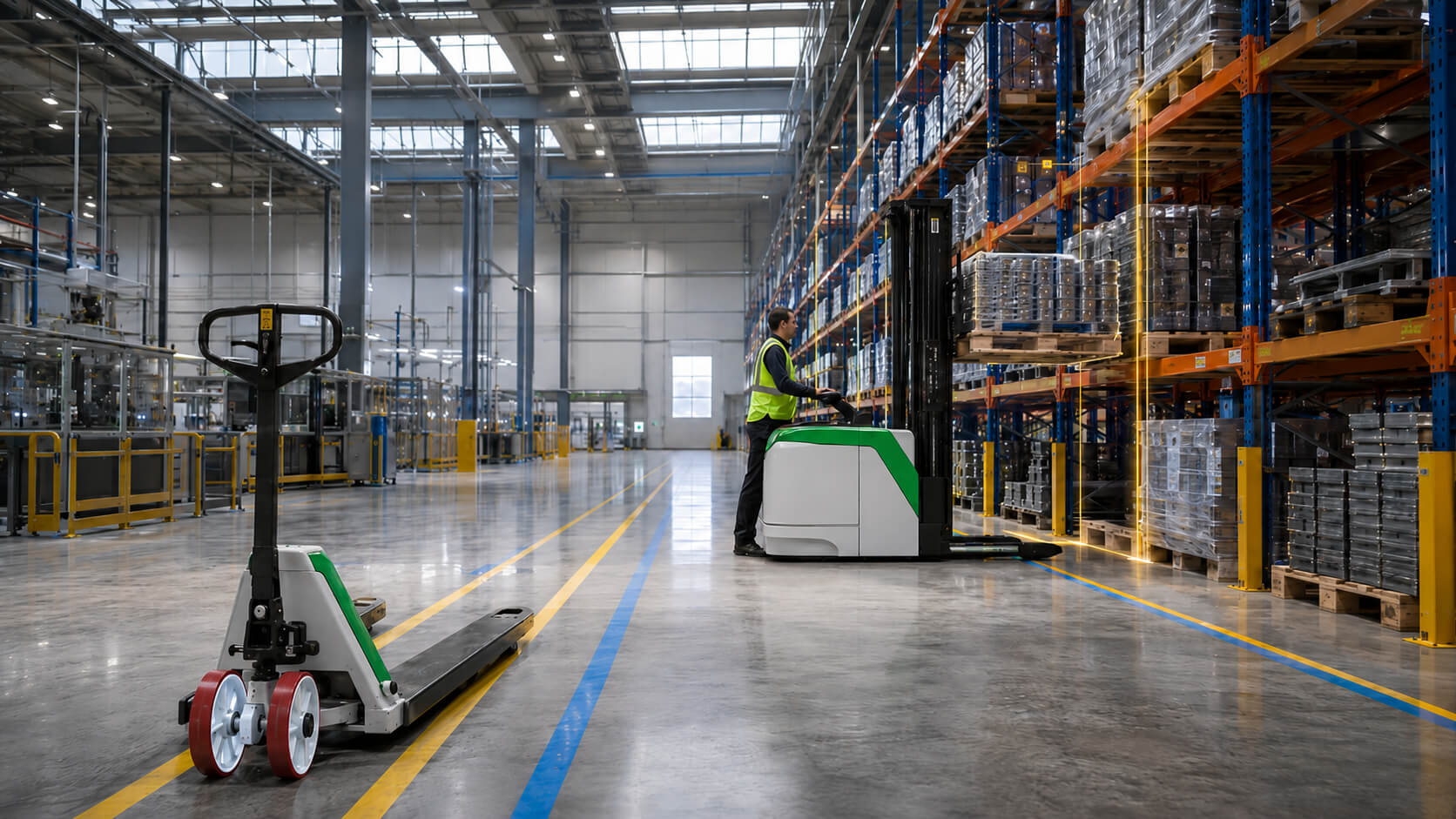
Using wrong or under-capacity equipment is a structural error that directly increases operational costs. For instance, using manual pallet trucks over long distances where intensive transfers occur exhausts personnel and slows down the job; on the other hand, operating massive, high-energy-consuming machinery for light tasks is a waste of capital.
Selecting compact machines that are best suited to your site's volume, floor structure, and load tonnage permanently lowers your initial investment and energy costs.
2. Transitioning from Reactive to Proactive Maintenance
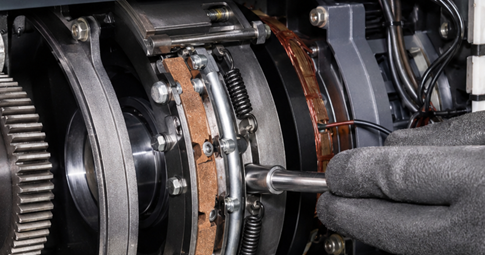
Repairing a machine only when it breaks down (the reactive approach) is one of the biggest cost traps in industrial facilities. Unplanned downtime causes delayed orders, idling trucks, and sudden, high repair bills.
-
The Solution: Create a periodic and preventive maintenance schedule.
-
The Advantage: Spotting the wear and tear cycles of parts in advance extends equipment life and prevents surprise costs by heading off major engine or hydraulic failures.
3. Multiplying Staff Productivity with Equipment Optimization
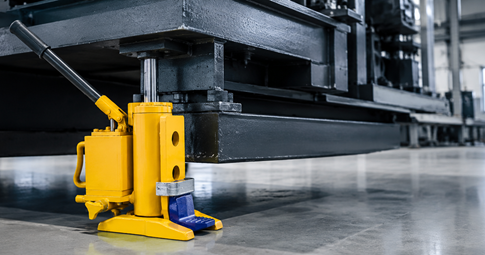
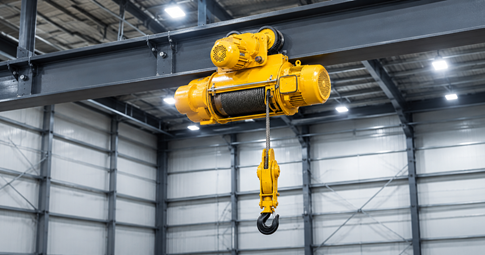
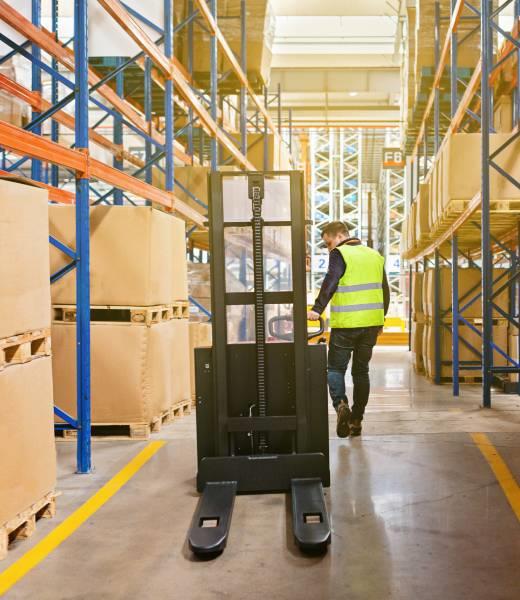
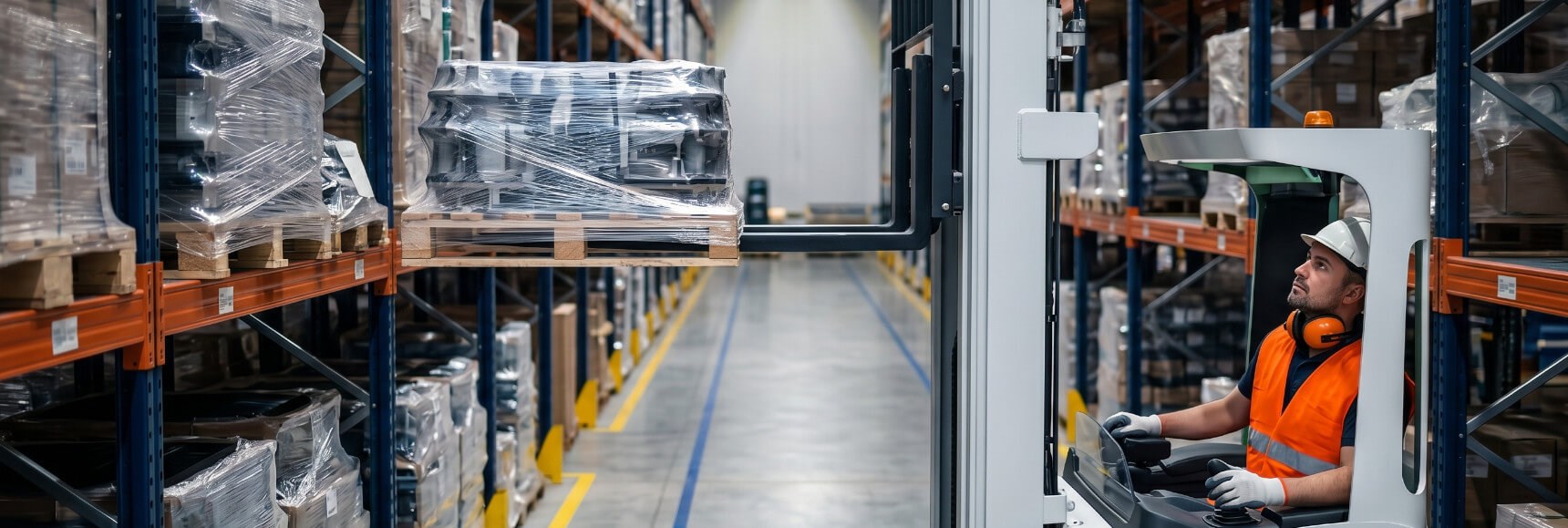
The way to optimize labor costs is not to lay off personnel, but to increase the volume of output your current staff produces within a given unit of time. An operator supported by the right lifting and stacking technology can safely dispatch three times more load in the same timeframe compared to manual methods. To examine the multiplier effect of technology and human alignment on operational speed more deeply, check out our guide on how equipment use affects operational efficiency.
4. Local Manufacturing Advantage in the Supply Chain
The spare parts and service processes of the industrial machinery you use are directly part of your operational costs. Global logistics crises or currency fluctuations experienced with imported machinery can leave you waiting for weeks even for a simple part replacement. Choosing brands with a strong local manufacturing network and fast access to spare parts and service is the smartest way to zero out invisible downtime costs.
5. Warehouse Layout and Route Optimization
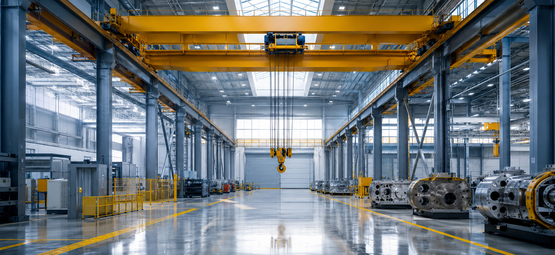
A waste of time is a waste of money. A disorganized layout inside the warehouse causes pallet trucks or forklifts to travel much longer distances for the same load. This condition increases wheel and battery wear while extending operation times. By positioning the most heavily circulated products closest to the exit points, you can lower unnecessary movement costs.
6. Energy and Battery Management
Electric and battery-powered stacking machines are wonderful for indoor cleanliness and quiet operation; however, when battery maintenance is neglected, early cell losses create severe replacement costs. Training your operators on battery rules—such as not charging before full discharge or avoiding improper "opportunity charging"—saves you from major replacement expenses by doubling your battery life.
7. Minimizing Risks via Workplace Safety Investments
While safety measures are often perceived as a "cost" item, they are actually your largest savings mechanism. The legal processes, compensations, stopped production, and damaged goods resulting from a single workplace accident cost far more than all safety investments combined. Using stable machines equipped with overload protection and smart braking systems proactively protects your budget.
Summary: Cost Management Matrix
|
Focus Area |
Cost Item |
Optimization Solution |
|
Time Management |
Unplanned Downtime |
Proactive Maintenance & Local Spare Parts |
|
Workforce |
Slow Operational Flow |
Ergonomic and Electric Equipment Support |
|
Equipment Life |
Early Part Wear and Tear |
Proper Floor/Wheel Alignment & Battery Training |
In conclusion; reducing operational costs is possible when all the gears within the process work in harmony with one another. When you increase equipment quality and reduce human error, you will see your expenses optimize themselves.