Warehouse Ergonomics: Essential Practices to Protect Employee Health
Understand warehouse ergonomics and why it matters. Learn practical rules to reduce strain from heavy lifting, pushing, pulling, and repetitive motions.
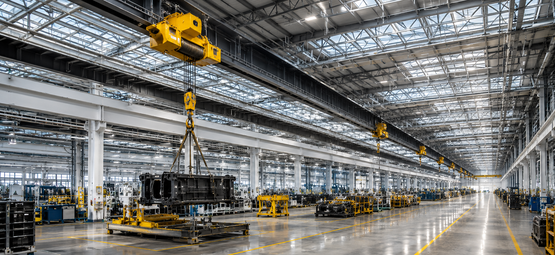
Distribution centers, fulfillment hubs, and manufacturing warehouses are demanding physical environments where staff handle thousands of cartons, relocate heavy pallets, and perform repetitive motions throughout every shift. Without proper workstation layouts and ergonomic material handling equipment, high physical workloads quickly lead to herniated discs, rotator cuff strains, repetitive strain injuries (RSIs), and chronic musculoskeletal disorders (MSDs).
As a foundational pillar of occupational health and safety (OHS), warehouse ergonomics focuses on adapting workspaces, racking heights, and handling machinery to fit human biomechanical limits rather than forcing workers to adapt to strenuous physical tasks. Below is an actionable operational guide detailing the core ergonomic principles, floor designs, and equipment solutions needed to safeguard workforce health while boosting daily throughput.
What Is Ergonomics and Why Does It Matter in Warehousing?
In practical industrial terms, ergonomics is the applied science of designing workplace environments, tools, and workflows around human physical capabilities and limitations. Integrating ergonomic standards across warehousing operations yields three major benefits:
- Prevention of Musculoskeletal Injuries and Absenteeism: Minimizing awkward bending, overhead reaching, and excessive force reduces lost-time injury claims and staff turnover.
- Sustained Shift Velocity and Lower Error Rates: Physical exhaustion degrades operator focus and slows cycle times. Ergonomically supported personnel maintain peak focus and accuracy from the beginning to the end of their shift.
- Full Regulatory Compliance: Proactive ergonomic protocols demonstrate strict commitment to occupational health and safety standards during workplace audits.
5 Ergonomic Rules to Reduce Physical Strain in Warehouses
To eliminate unnecessary physical stress during lifting, pushing, pulling, and order-picking tasks, facilities should enforce these five baseline practices:
1. Proper Lifting Mechanics and "Golden Zone" Slotting
Bending forward at the waist to lift boxes off the floor places immense compressive force on lumbar spinal discs. Train staff to keep their backs straight, bend at the knees, engage leg muscles, and hold payloads close to their core. Simultaneously, slot high-turnover SKUs within the "Golden Zone"—the vertical shelf window between mid-thigh and chest height—so workers can pick orders without stooping or reaching overhead. For comprehensive structural storage protocols, review our guide on warehouse racking safety 7 critical rules.
2. Replace Manual Force with Ergonomic Handling Machinery
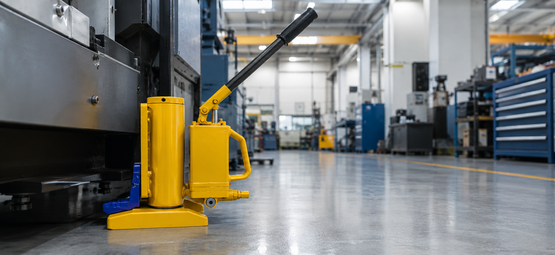
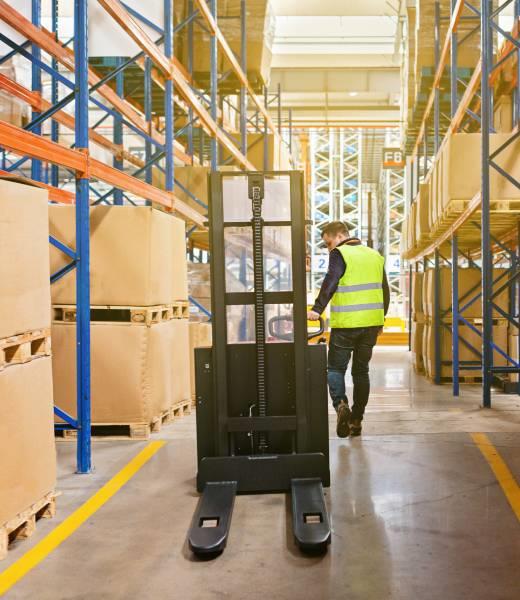
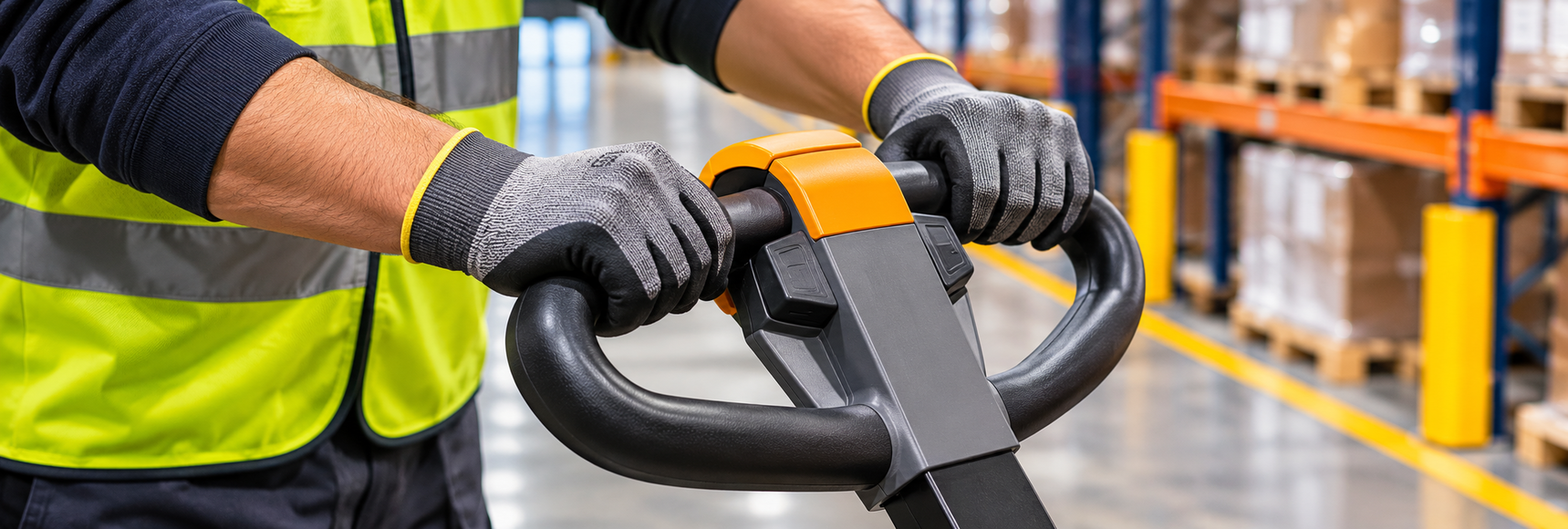
Pushing or dragging multi-hundred-kilogram loads manually creates immediate joint and back strain. Deploy low-rolling-resistance handling tools engineered with contoured grips and effortless steering geometry. Introducing smooth-pumping hydraulic or motorized pallet truck units enables personnel to transport heavy tonnages with near-zero physical exertion.
3. Optimize Workstation Heights with Adjustable Systems
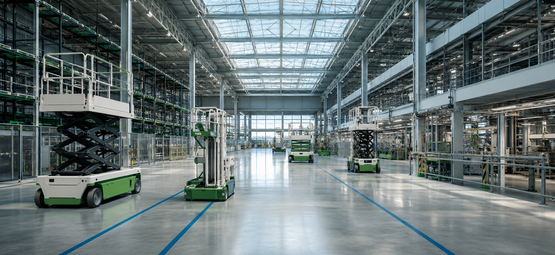
Constant forward leaning at depalletizing, packing, and labeling benches rapidly triggers neck and upper-back fatigue. Replace fixed-height tables with adjustable-height scissor lift tables or ergonomic work platforms that keep cargo consistently positioned at waist level as pallet layers are added or removed.
4. Floor Integrity and Anti-Fatigue Matting
Standing on rigid concrete slabs for eight-hour shifts causes severe lower-limb circulation issues, foot pain, and spinal compression. Equip stationary packing and sorting stations with shock-absorbing anti-fatigue rubber mats. Across transit corridors, promptly repair floor cracks and maintain smooth epoxy finishes so equipment wheels roll smoothly without jarring operator wrists.
5. Balanced Lighting, Thermal Comfort, and Micro-Breaks
Ergonomics encompasses sensory and environmental comfort alongside physical posture. Install glare-free, uniform LED illumination over barcode-scanning stations to prevent eye strain, regulate ambient airflow, and schedule brief stretching micro-breaks during high-repetition manual picking shifts.
Pushing vs. Pulling: The Core Biomechanical Principle
One of the most frequent ergonomic mistakes on warehouse floors occurs when operators walk backward while pulling loaded manual carts or hand trucks behind them. Pulling twists the shoulder joint into a vulnerable biomechanical angle and restricts forward visibility. Under workplace ergonomics best practices, personnel should always push loads forward using body weight and leg drive, turning with full-body steps rather than twisting at the waist.
Ergonomic Warehouses Build Healthy, High-Output Teams
Implementing warehouse ergonomics is both an essential ethical commitment to workforce wellbeing and a high-return operational investment. By slotting inventory within natural reach zones, mechanizing heavy horizontal transfers, and deploying human-centric handling equipment, warehouses can prevent chronic injuries and maintain peak productivity.
To equip your facility with ergonomic, low-effort tiller handles, smooth-rolling load wheels, and heavy-duty material handling machinery designed to protect operator health, explore Paftar’s complete industrial lineup or consult our engineering specialists today.