Stacker Accidents: Top 6 Frequent Mistakes
Discover the top 6 operator errors behind stacker accidents and their solutions. Learn employer legal duties under occupational health and safety laws.
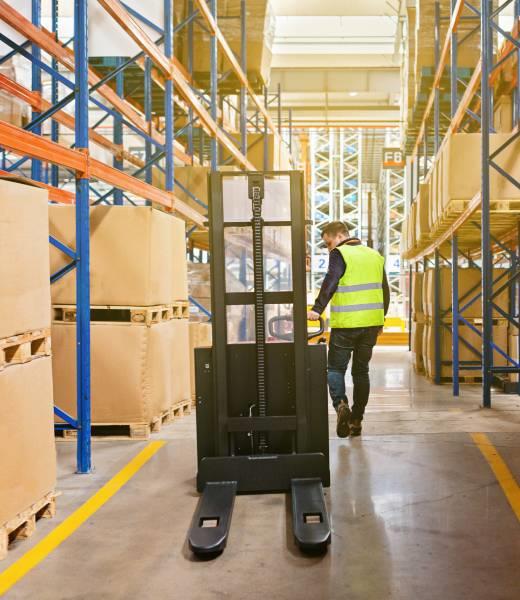
Serving as the backbone of vertical storage operations across warehousing, logistics hubs, and manufacturing facilities, stacker trucks significantly accelerate daily workflows. However, when these powerful machines capable of lifting multi-ton pallets several meters high are operated carelessly or without strict protocol, they can cause massive material damage and, most critically, fatal workplace accidents.
Contrary to popular belief, stacker accidents are rarely caused by mechanical failures; they stem primarily from inadequate training, overconfidence, and neglected safety procedures. In this guide, we outline the 6 most common operational errors seen in industrial facilities, practical solutions to eliminate these hazards, and the legal obligations of employers under occupational health and safety (OHS) regulations.
Top 6 Frequent Stacker Accidents and How to Prevent Them
To build a proactive warehouse accident prevention culture across logistics yards, operators must avoid these 6 recurring unsafe behaviors:
1. Overloading and Exceeding Safe Working Load (SWL) Limits
The Mistake: Lifting pallets that exceed the machine’s rated capacity without consulting the load center diagram.
Accident Risk: Shifting the machine's center of gravity causes the rear wheels to lose traction, leading to forward tip-overs.
The Solution: Operators must verify the load center for every pallet; rated capacity plate thresholds must never be exceeded under any circumstances.
2. Traveling with Elevated Loads
The Mistake: Moving the stacker across the floor while the mast and forks remain extended at racking height.
Accident Risk: The top-heavy load can easily tip at the slightest floor defect, or the stacker's center of gravity can shift, causing a lateral rollover.
The Solution: Adhering to safe stacker operation guidelines requires traveling with the load lowered to 15–20 cm above the floor (travel position). The load should only be elevated when the machine is stationary in front of the rack.
3. Blind Spots and Improper Maneuvering on Ramps
The Mistake: Driving forward when tall pallets obstruct the operator's line of sight, or descending ramps in the wrong orientation.
Accident Risk: Pedestrian impacts, structural collisions with pallet racks, and loads sliding off on inclines.
The Solution: If forward visibility is blocked, operators must reverse safely. On ramps, the load must always face uphill regardless of travel direction.
4. Operation by Unauthorized or Untrained Personnel
The Mistake: Allowing uncertified personnel to operate the stacker for "quick, minor tasks."
Accident Risk: Operators unfamiliar with the mechanical dynamics panic easily, causing tip-overs or severe crush injuries.
The Solution: Access to equipment startup keys, PIN codes, or RFID cards must be strictly restricted to certified, authorized operators. To learn more about general lifting safety protocols, explore our detailed guide on work safety.
5. Poor Field Visibility and Pedestrian Lane Violations
The Mistake: Speeding through warehouses where pedestrian paths and vehicle lanes are not segregated, or failing to use audio/visual warning indicators.
Accident Risk: Pedestrian entrapment, foot crush injuries, and severe collisions similar to high-speed forklift accidents.
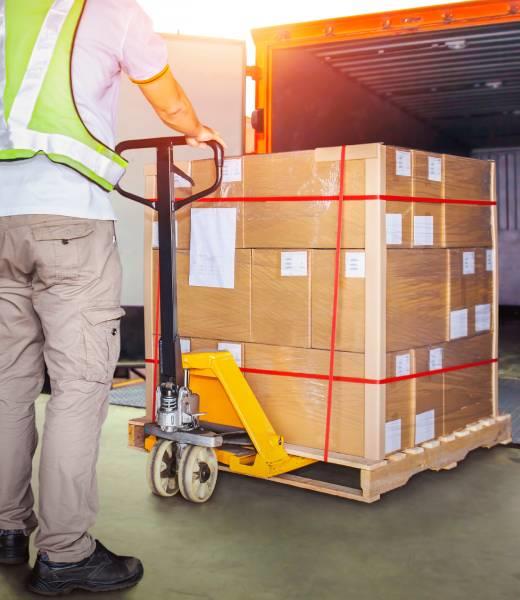
The Solution: Clearly demarcate pedestrian corridors with floor striping and ensure blue-spot safety lights and reverse alarms are fully functional. For answers to safety protocols regarding manual and battery-operated equipment, visit our occupational safety in pallet truck usage frequently asked questions.
6. Neglecting Shift Pre-Checks and Periodic Maintenance
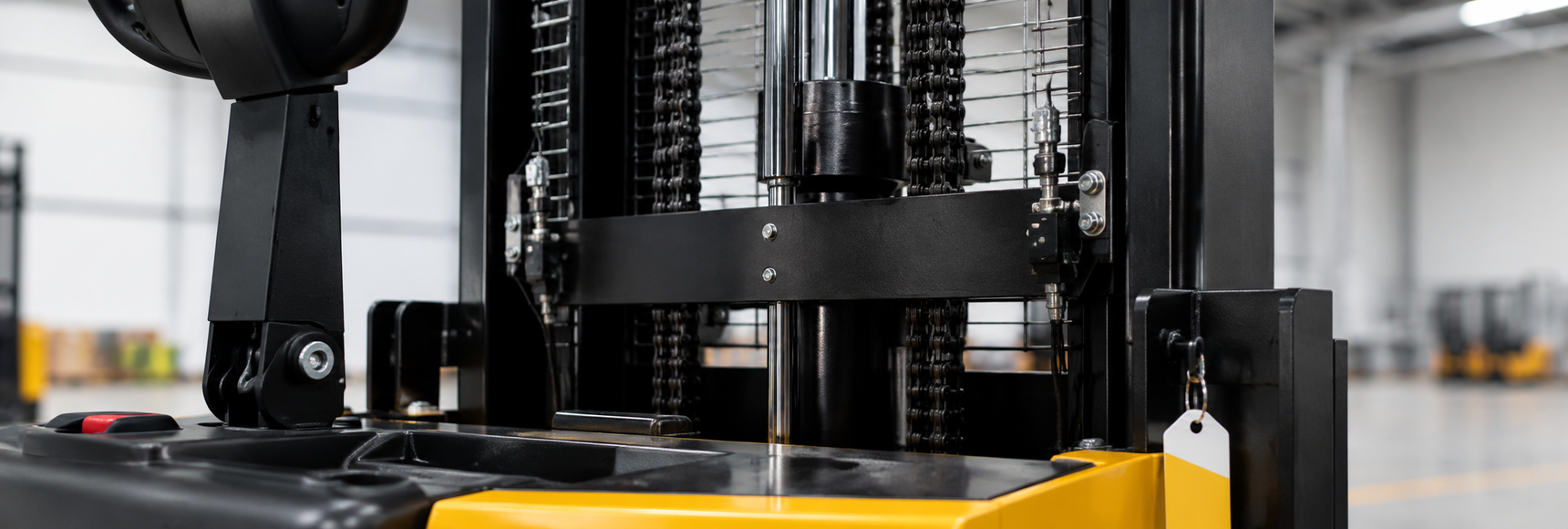
The Mistake: Starting a work shift without checking brake responsiveness, hydraulic lines, or lifting chain tension.
Accident Risk: Hydraulic pressure drops, brake failures, or chain snaps under load, resulting in dropped pallets or catastrophic structural drops.
The Solution: Operators must complete a daily pre-shift inspection checklist. Any faulty equipment must be tagged out immediately. To optimize operational bottlenecks and eliminate hazards across your plant, check out our insights on 5 time wasting mistakes in business processes.
OHS Compliance and Employer Legal Duties
Industrial safety regulations mandate strict standards for stacker occupational safety. Employers must fulfill several fundamental legal duties to maintain a compliant workplace:
Mandatory Periodic Inspection: Stacker trucks and mechanical lifting equipment must undergo thorough technical inspections by accredited third-party inspectors at least once a year. Uncertified units must be removed from service immediately.
Operator Certification: Employers are legally required to assign stackers exclusively to personnel holding certified operator credentials or recognized vocational qualifications.
Risk Assessments & Traffic Planning: Facilities must map out clear indoor traffic routes, install panoramic mirrors at blind intersections, and ensure smooth, defect-free floor surfaces.
Achieving Zero Accidents with Quality Equipment and Discipline
Preventing workplace accidents in warehousing operations is never an accident; it is the direct outcome of establishing a strong safety culture. Selecting certified, high-performance stacker trucks engineered to meet international safety benchmarks is the foundational first step. However, maintaining a zero-accident environment requires continuous operator training, daily shift pre-checks, and rigorous adherence to scheduled maintenance.
To explore certified, high-efficiency lifting and stacking solutions that maximize operational productivity while protecting your workforce, browse Paftar's full product range or consult our technical specialists today.