The 5 Most Time-Consuming Mistakes in Business Processes
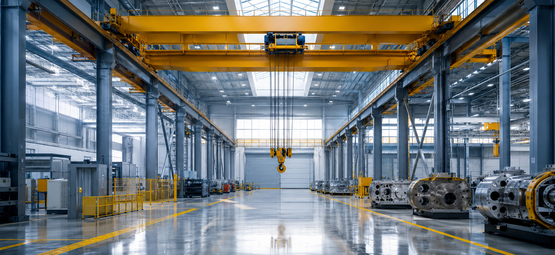
In industrial facilities, time is the most expensive raw material. Delays measured in mere minutes accumulate by the end of the day into missed delivery windows, skyrocketing costs, and an exhausted workforce. While most businesses focus on working "faster," the true speed of an operation is determined not by how fast people move, but by how effectively the "invisible hurdles" within the process are cleared.
Let’s examine the 5 critical mistakes that sabotage efficiency in logistics and warehousing, and how you can turn these errors into competitive advantages.
1. Using Equipment Mismatched to the Task
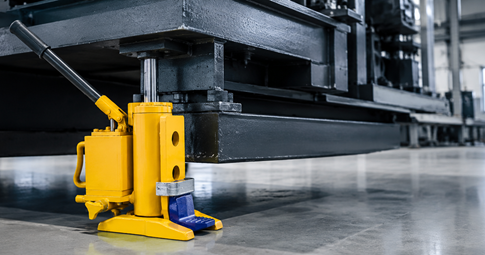
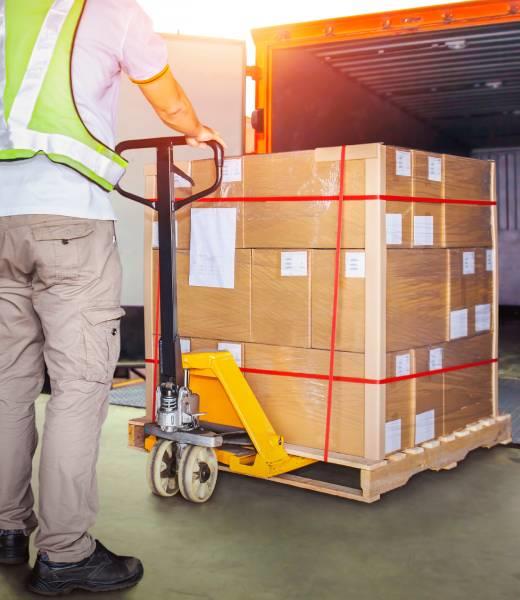
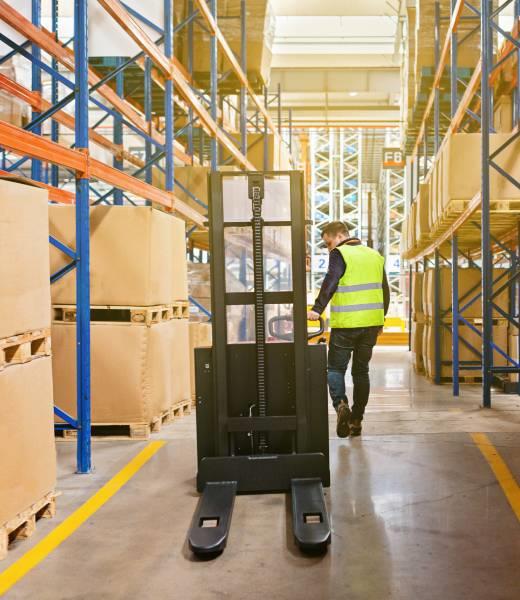
The biggest time thief in any warehouse is deploying equipment that isn't suited for the specific job. For instance, using manual pallet trucks for transport distances exceeding 50 meters leads to physical exhaustion and can make the transport time 3 to 4 times longer than necessary.
The key to accelerating your operation is selecting technology that matches the distance and load weight. To make a strategic choice, you can check out the technical comparisons in our guide: How the right pallet truck reduces operation times.
2. Over-Reliance on Physical Strength
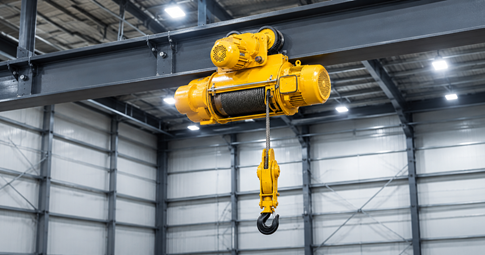
The "our staff can handle it" mindset is the biggest barrier facing modern businesses. Human strength is finite and prone to fatigue; fatigue, in turn, brings errors and slowdowns. You should position your staff as "process managers" rather than "load-bearing tools."
Structuring equipment use as a digital or mechanical assistant to your staff allows you to reach double the work volume with the same headcount. For the details of this transformation, see our article on equipment optimization for staff productivity.
3. Unplanned Maintenance and Downtime
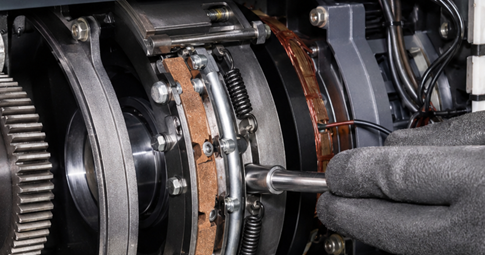
When a machine breaks down, the machine isn't the only thing that stops—the entire operational flow is severed. An unplanned failure of a pallet truck or stacker means idling trucks, idle staff, and disrupted orders.
-
The Solution: Inspect equipment regularly, not just when it "breaks."
-
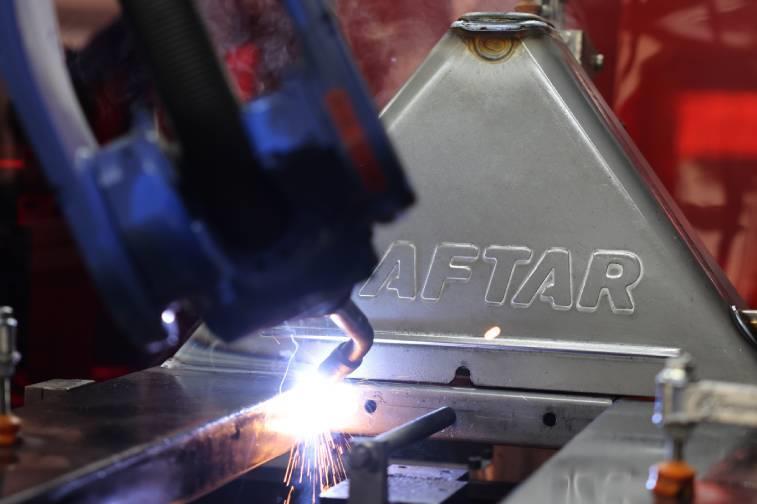
A Pro Tip: Choosing brands with strong local manufacturing and spare part support prevents time loss by eliminating the "waiting for imports" period during potential breakdowns.
4. Ignoring Bottlenecks
Efficiency is a chain. If your packaging area is lightning fast but your transport team is slow, products will pile up in the packaging zone. This restricts movement and drives the operation into chaos.
You must perform process analysis to identify which step is making others wait. Usually, these bottlenecks stem from low-capacity transport vehicles or a poorly planned warehouse layout.
5. Viewing Safety as a "Slower"
Businesses that view safety procedures as a waste of time experience the ultimate time loss when a workplace accident occurs. A single accident can stop operations for days, lead to legal investigations, and most tragically, result in loss of life.
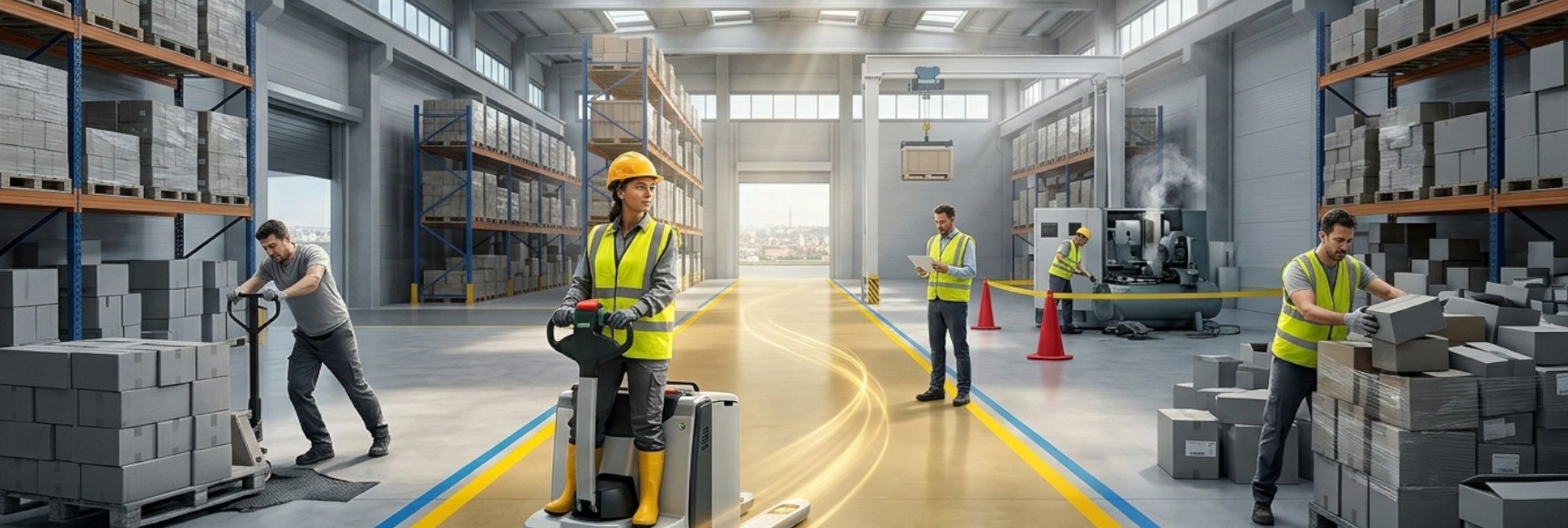
Safe equipment use is actually the fastest way to operate; equipment that offers stability and safety allows personnel to work with confidence and without making mistakes.
In summary; managing time is not about putting more weight on the shoulders of your staff—it’s about optimizing the systems that carry that weight.