What is Load Capacity? How is It Determined in Material Handling?
Understand load capacity and residual capacity across pallet trucks, stackers, and cargo lifts. Learn key factors, calculations, and safe handling rules.
In warehouses, distribution hubs, manufacturing plants, and logistics facilities, the productivity and safety of material handling operations rely entirely on adhering to accurate weight ratings. Among the most fundamental specifications across industrial machinery, load capacity defines the maximum permissible weight an equipment unit can lift, lower, or transport without compromising structural integrity, hydraulic stability, or steering control.
In daily operations, personnel often look solely at the gross nominal tonnage printed on a machine’s chassis badge. However, rated capacity is not a static number across all operating conditions. Variables such as pallet dimensions, center-of-gravity offsets, and mast elevations directly alter true operational lifting capacity. To prevent catastrophic equipment damage, eliminate tip-over hazards, and make sound fleet investments, let us examine the mechanical principles that dictate industrial load limits.
What is Load Capacity, and How Does It Differ from Nominal Capacity?
In industrial engineering, understanding what determines safe load thresholds requires distinguishing between two distinct technical metrics:
- Nominal Capacity (Rated Capacity): The baseline figure established by manufacturers under controlled test conditions, calculated at ground level with a standardized load center (typically 500 mm or 600 mm from the fork face).
- Residual Capacity (Derated Capacity): The actual permissible weight an equipment unit can safely elevate as the lifting mast extends upward or as the load center shifts toward the fork tips. For instance, a pedestrian stacker with a 1500 kg nominal rating may be restricted to lifting only 900 kg when the duplex mast reaches an elevation of 3.5 meters.
Because of this physical shift, machine operators must always consult the machine’s official load capacity chart rather than relying solely on the general nameplate tonnage.
4 Primary Factors That Determine Practical Load Capacity
An equipment unit’s functional capacity on the plant floor is determined by four dynamic physical and mechanical variables:
1. Load Center Distance ()
The load center represents the horizontal distance from the vertical face of the fork shank to the center of gravity of the payload. On standard European pallets (800x1200 mm), this distance is engineered at 600 mm. As cargo extends further along the forks, the leverage arm increases, counteracting the machine's counterweight and increasing forward tip-over risks.
2. Maximum Lift Elevation
When loads remain near floor level, gravitational forces transfer directly into the chassis and load wheels. As a pallet ascends on vertical mast rails, slight vibrations create amplified swaying moments at the top. To counteract structural deflection and keep the machine upright, maximum permissible capacity decreases progressively as mast height increases.
3. Floor Conditions and Incline Gradients
Damp, uneven, cracked, or sloped surfaces disrupt axle weight distribution. Operating across ramps shifts the cargo’s gravitational vector relative to the wheelbase, putting excessive stress on hydraulic lift cylinders while increasing braking stopping distances.
4. Dynamic Inertia and Travel Velocity
Abrupt acceleration, emergency braking, and sharp turns generate dynamic inertia. A 1000 kg load subjected to an aggressive cornering turn exerts lateral centrifugal force that can overturn a machine, even if the static weight is well within catalog specifications.
Evaluating Capacity Across Equipment Categories
Matching equipment class to operational duty cycles ensures sustained safety and throughput:
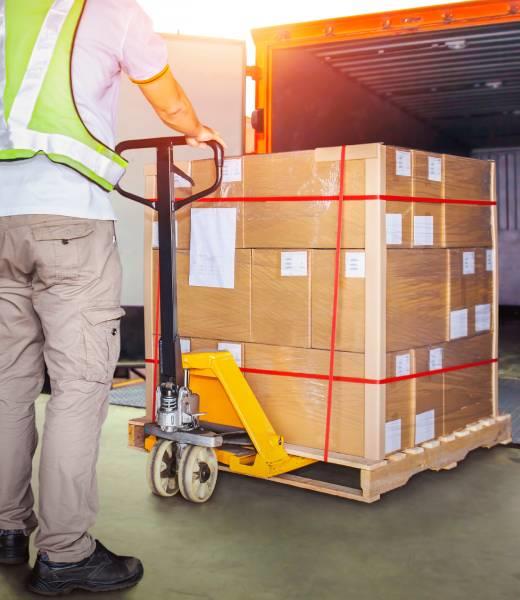
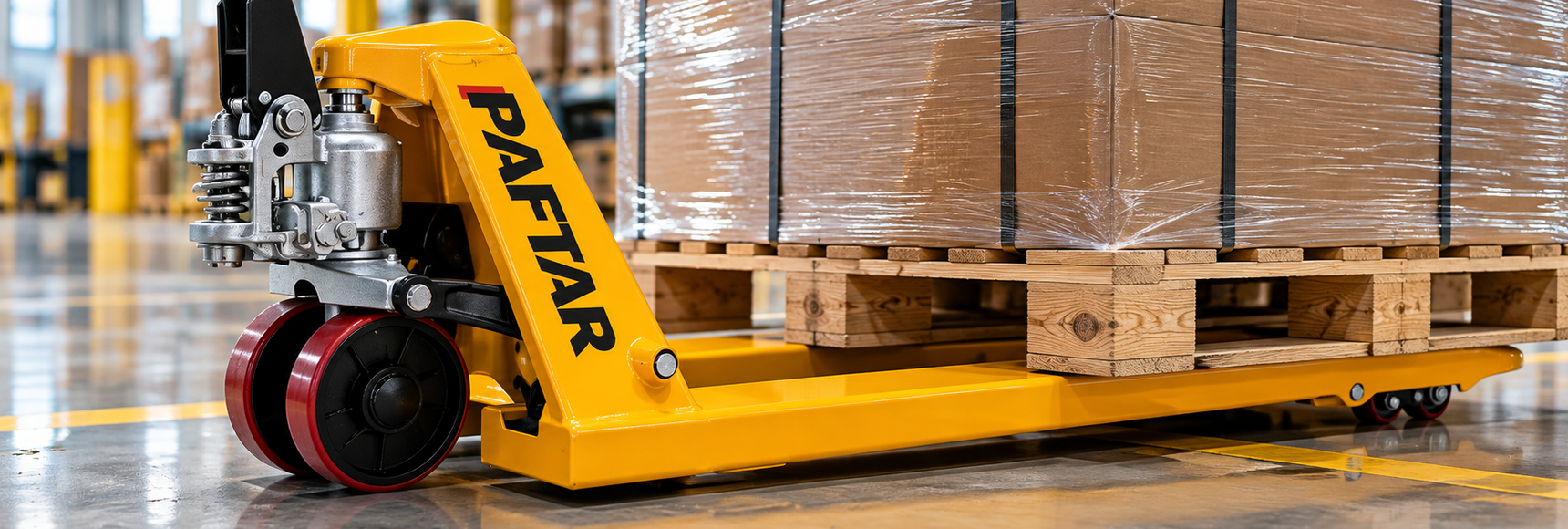
- Horizontal Transit Pallet Trucks: For point-to-point floor transport, heavy-duty pallet truck models provide payload ratings ranging from 1500 kg up to 3000 kg and 5000 kg, providing a balanced chassis foundation for horizontal warehouse workflows.
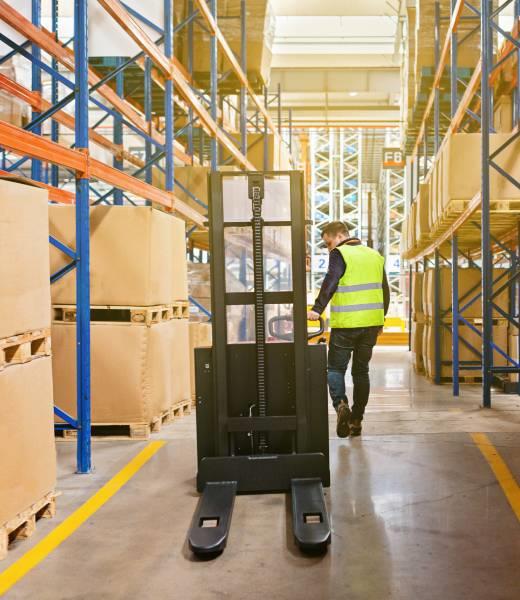
- Vertical High-Bay Stacker Trucks: For vertical pallet staging into multi-tier racking, deploy purpose-built stackers offering precision-rated residual capacities, robust duplex or triplex masts, and payload ranges from 1000 kg to 2000 kg reaching up to 5 meters.
- Heavy Tonnage Inter-Floor Transfers: To lift high-tonnage raw materials, heavy machinery, or bulk crates between mezzanine floors or processing decks, heavy-duty hydraulic cargo platform systems deliver rigid, fixed-axis vertical lift capacity.
Safe Load Calculation and Operating Rules
A practical method for verifying mechanical balance relies on the basic moment equilibrium formula:
An equipment unit's certified load moment must never be exceeded. To maintain a safe workplace, enforce these operating standards:
- Strictly Prohibit Overloading: Exceeding rated thresholds causes hydraulic relief valve failures, bent fork shanks, premature mast roller wear, and brake failure.
- Position Cargo Flush Against the Fork Carriage: Always insert forks fully under the pallet until the cargo contacts the vertical carriage; never lift loads using only the fork tips.
- Even Weight Distribution Across Both Forks: Center the payload evenly across both fork tines to prevent asymmetric torsional stress on the mast structure and steering components.
Correct Capacity Selection Drives Safety and Uptime
Load capacity is more than a catalog figure; it is a vital engineering baseline that dictates operational safety, machine longevity, and daily throughput. Selecting handling machinery based on a precise analysis of cargo dimensions, lift elevations, and floor profiles protects facilities from catastrophic tip-overs and costly mechanical breakdowns.
To evaluate certified material handling solutions tested to strict CE and occupational safety standards, explore Paftar’s comprehensive machinery lineup or contact our engineering specialists for tailored capacity calculations for your facility.