Zero-Accident Warehouse Guide: 8 Golden OHS Rules
Discover 8 golden rules to eliminate warehouse accidents during pallet truck, stacker, and crane operations. A practical OHS guide for plant managers.
Logistics centers and industrial facilities are fast-paced environments defined by continuous material movement and heavy load circulation. While material handling equipment such as pallet trucks, stacker trucks, and overhead cranes maximize operational productivity across horizontal and vertical axes, neglecting basic safety protocols can lead to severe injuries, costly inventory damage, and operational downtime.
Achieving a zero-accident culture across warehousing environments does not rely solely on buying high-spec machinery; it demands establishing a proactive safety framework. To help warehouse managers and field operators minimize site risks, we have compiled the 8 golden rules that ensure safe lifting and transport operations.
8 Essential OHS Principles for Warehouse Safety
To cultivate a robust culture focused on preventing lifting equipment accidents, facility management must enforce these 8 foundational safety rules across every shift:
1. Mandatory Pre-Shift Equipment Inspections
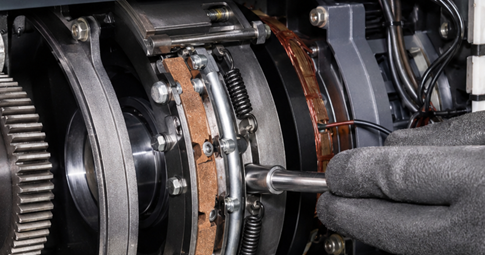
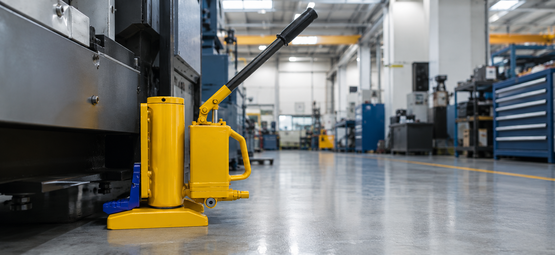
No handling unit should be operated without undergoing a daily pre-shift inspection. Before starting work, operators must verify brake responsiveness, check for hydraulic leaks, inspect wheel wear, examine lifting chains, and test control switches. Any malfunctioning or questionable equipment must be tagged out immediately.
2. Strict Adherence to Safe Working Load (SWL) Limits
Every material handling unit and lifting accessory (slings, hooks, shackles) features a certified maximum weight threshold. Rated capacity plates and load center diagrams must be strictly respected; operators must never exceed maximum tonnage ratings under any circumstances.
3. Proper Load Centering and Weight Balancing
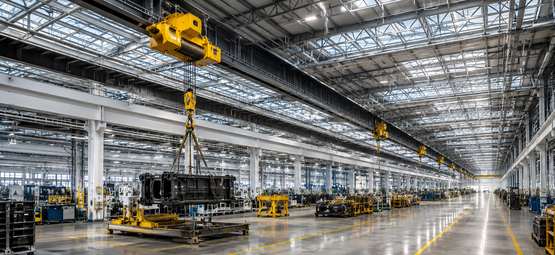
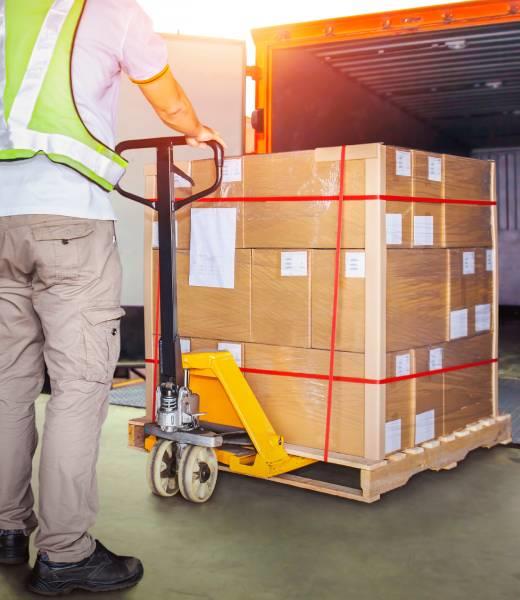
Whether following safe pallet truck usage protocols or executing vertical crane lifts, the load's center of gravity must align precisely with the midpoint of the forks or hook axis. Unbalanced loads cause tip-overs, unexpected slippage, and structural chassis stress during transfer.
4. Correct Travel Height and Speed Restrictions
Stacker trucks and forklifts must never travel across the facility with their mast elevated. Loads must be maintained at a safe travel height 15 to 20 cm off the ground and internal aisle speed limits must be strictly enforced at all times.
5. Physical Separation of Pedestrian and Vehicle Traffic
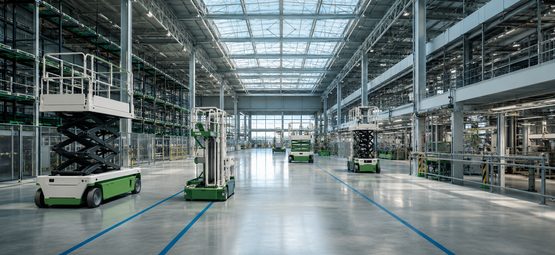
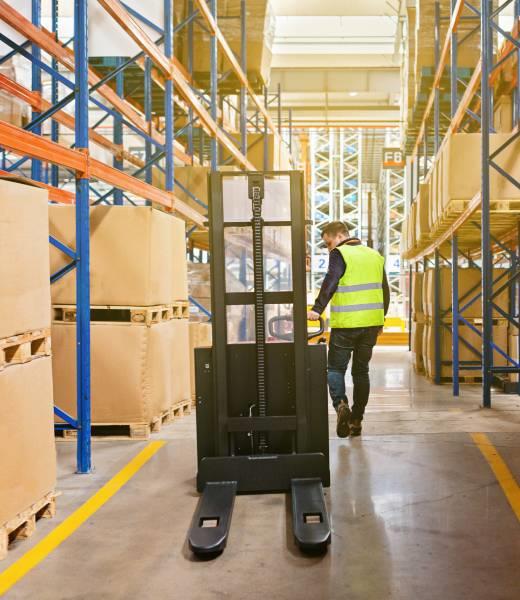
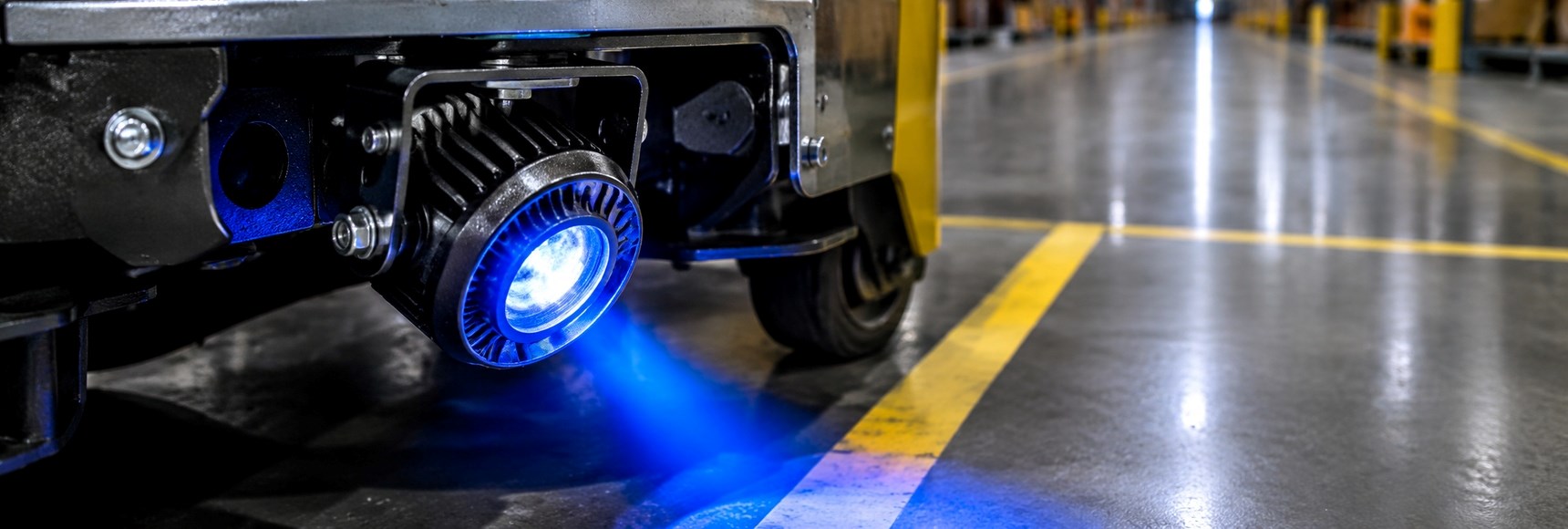
Isolating pedestrian zones from motorized traffic is critical for site safety. Floor markings indicating pedestrian walkways must remain unobstructed, while equipment blue-spot safety lights, flashing beacons, and reverse travel alarms must remain fully operational.
6. Operation Exclusive to Certified Operators
Pallet trucks, electric stackers, and overhead cranes must be operated exclusively by trained personnel who hold valid operator certifications. Access keys, PIN codes, or RFID operator cards must be restricted to prevent unauthorized usage.
7. Mandatory Personal Protective Equipment (PPE) Discipline
All personnel working inside the logistics bay must wear steel-toe safety footwear, high-visibility vests, and hard hats where overhead risks exist. Protective footwear is essential for reducing the severity of foot crush injuries—one of the most frequent warehouse accidents.
8. Routine Preventive Maintenance and Regulatory Compliance
Lifting equipment must undergo technical inspections by accredited third-party engineers at least once a year in compliance with workplace safety standards. To learn more about technical standards and regulatory requirements, read our detailed guide on work safety.
Safety as a Core Operational Value
Preventing workplace accidents in distribution terminals is not an operational bottleneck; it is the cornerstone of sustainable productivity. Facilities that enforce clear warehouse OHS rules protect their workforce while mitigating costly downtime and safeguarding brand reputation.
To explore certified, ergonomic, and heavy-duty material handling solutions engineered to meet the highest international safety standards, browse Paftar's complete industrial catalog or contact our technical engineering team today.